
The choice is not between today's welfare state and yesterday's poorhouse. It is whether government must remain the default manager of compassion — or can become its limited guarantor, referee, and reinsurer.
Read the story →Americans gave $617 billion to charity in 2025 — a record. It is also nowhere close to replacing the American safety net. Both statements matter. Too much of the debate permits only one.
Read the story →The New Deal did not invent government aid. It transformed scattered relief into a permanent federal compact — and changed what Americans believed they were owed, what they were required to pay, and who would answer when the economy collapsed.
Read the story →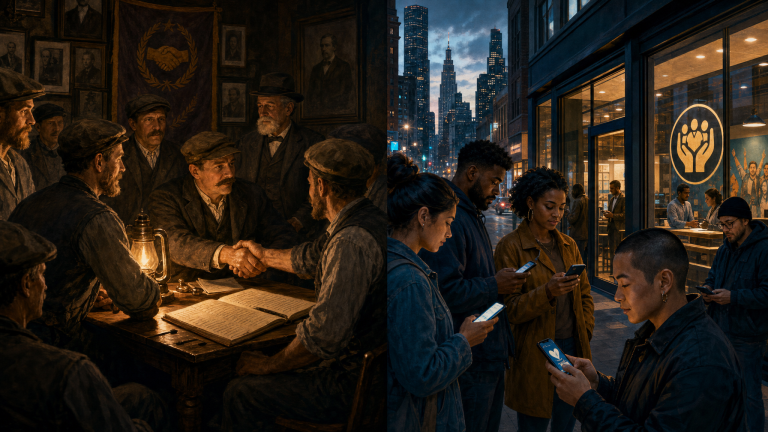
Long before Washington became the nation's insurer of last resort, Americans lived inside a dense ecology of family obligation, religious charity, mutual aid, employer benefits, private philanthropy, and local public relief. That world deserves recovery — but not mythology.
Read the story →
In 1947, Levittown sold 17,000 starter homes for $7,990 each and gave a generation its first foothold. Today the equivalent start doesn't exist — not because tiny homes can't be built, but because minimum size zoning bans them. Here is what the tiny home village would actually look like, what it costs, and why markets are ready to build it.
Read the story →
The American housing shortage was not caused by population growth or construction costs. It was built — zoning code by zoning code — over fifty years of policy that restricted supply while demand kept growing. Today a law passed 396 to 13 starts dismantling it. Here is what it actually does.
Read the story →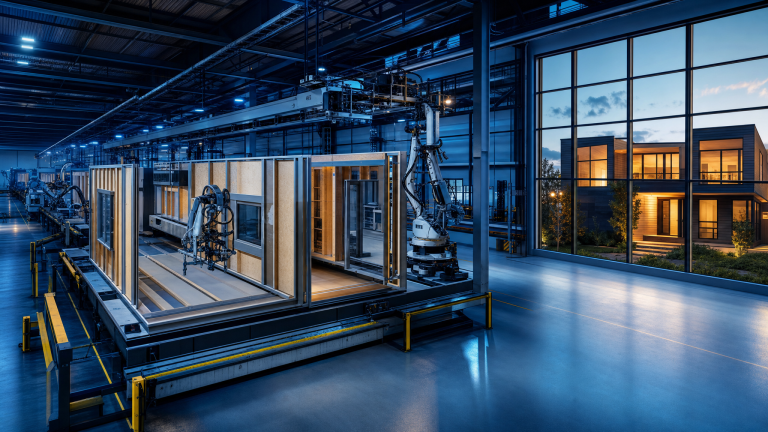
Twenty million Americans live in homes that cost $115,000, take six months to build, and satisfy 78 percent of their residents. The only reason most people can't have one is that local governments banned it. Here is the data — and why 2026 may finally be the year that changes.
Read the story →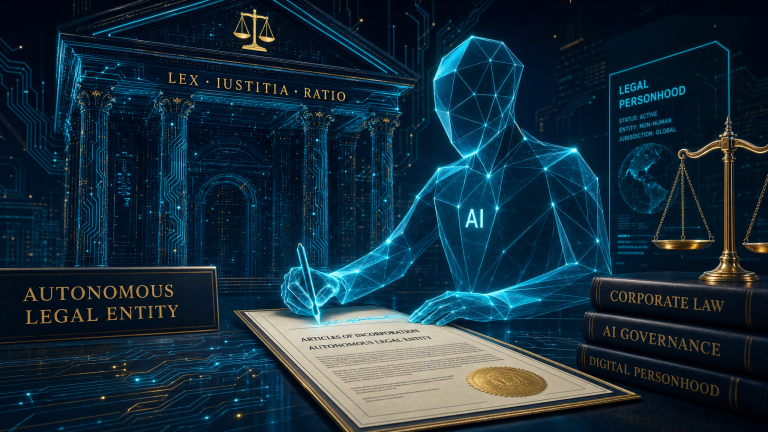
Argentina created a legal category for AI corporations. An autonomous entity — no human required — that can own assets, hire employees, and sue in court. Yuval Noah Harari called it dangerous. History says otherwise. Here is what AI legal personhood actually means — and the enormous consumer surplus it could unlock.
Read the story →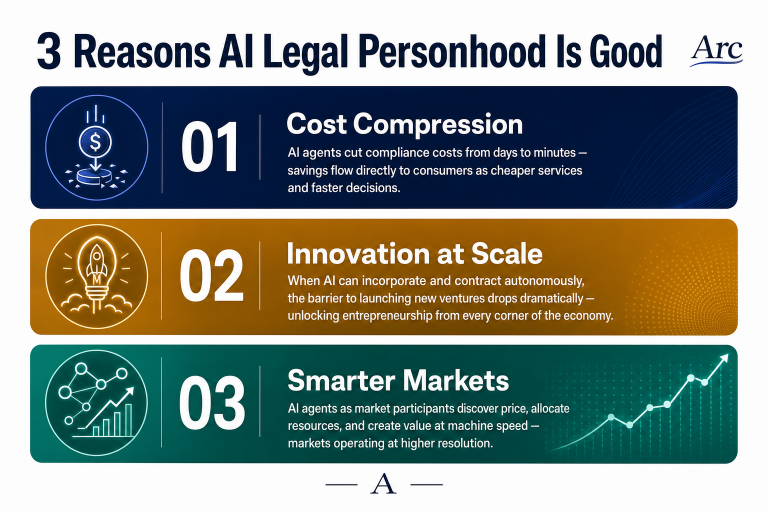
Your next landlord may be an AI — legally. The LLC is already registered. The bank account is open. The lease is waiting. Here is why the legal framework for AI landlords already exists, why markets are driving it faster than law can respond, and what it means for every business that transacts with counterparties.
Read the story →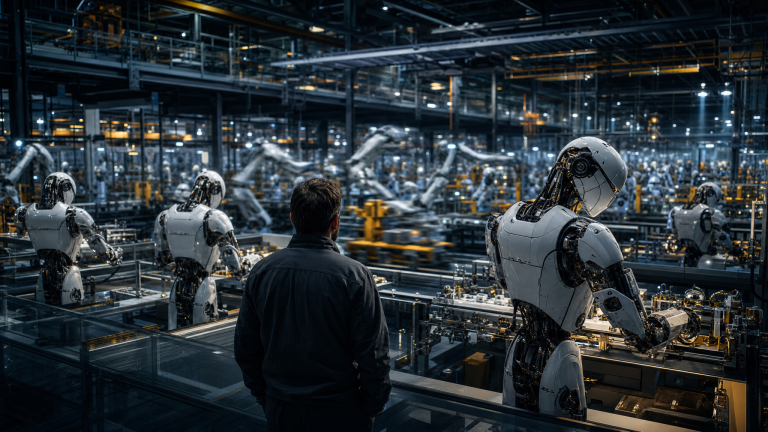
Part 1 of 3: The Autonomous Agent Revolution Category: Arc Index | Freedom & Agency | Economy The Invisible Workforce The invisible workforce is not a metaphor. It is the first nonhuman labor force in history capable of extending human...
Read the story →
In 10 years, 1.1 billion people gained access to the financial system — not through government programs, but through private mobile money platforms like M-Pesa, UPI, and Nubank. The mechanism was the profit motive, applied at mobile-phone scale.
Read the story →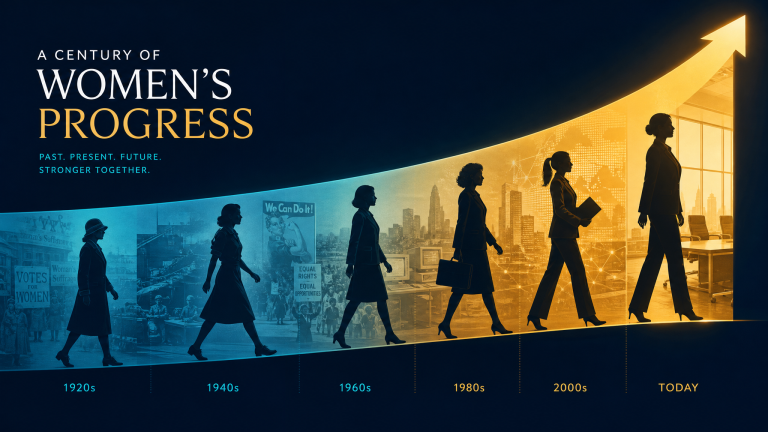
In 1920, half of humanity was formally barred from voting in the world’s leading democracy. In most countries, women could not own property in their own names, enter professional schools, sign contracts, or retain their wages after marriage. The baseline...
Read the story →
In 1990, more than one in three people on Earth — 36 percent of the global population — lived in extreme poverty. By 2023, that figure had fallen below 9 percent. In raw numbers, the share of humanity struggling to...
Read the story →
In May 2026, Walmart crossed one million drone deliveries — 40% in a single quarter. The technology works. The pricing is set. The only real question is whether local governments will let it scale.
Read the story →
In 1900, there were almost no democracies on earth. A handful of partial exceptions existed — fragile parliaments, constrained monarchies, limited franchises. But genuine self-governance, by any reasonable modern definition, covered less than 1% of the world’s population. The default...
Read the story →
Sometime in the late 1980s, a woman named Trung Thi Lan left her village in the Red River Delta and took a job at a garment factory in Hanoi. The factory was new — part of Vietnam’s Doi Moi economic...
Read the story →
3× Increase in the share of world population living under some form of rule of law since 1900 — from under 20% to over 60% Source: Our World in Data / V-Dem Project / Freedom House In 1900, fewer than...
Read the story →
Microgravity produces pharmaceutical crystals no lab on Earth can match. Fiber optic cables made in orbit outperform anything terrestrial. Space-based solar can beam power 24/7. The orbital economy isn't science fiction — it's manufacturing physics no factory on Earth can replicate.
Read the story →
The SpaceX IPO isn't a financial story. It's proof that private capital accomplished in two decades what governments with fifty years and unlimited budgets could not: making space economical. The arc of human progress just went vertical.
Read the story →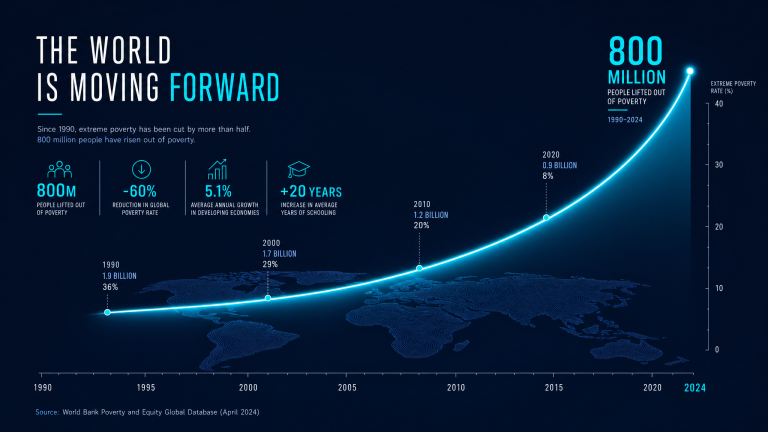
Free markets lifted over a billion people out of extreme poverty. Not aid programs. Not the UN. The data on China, India, and the East Asian Tigers is unambiguous.
Read the story →