
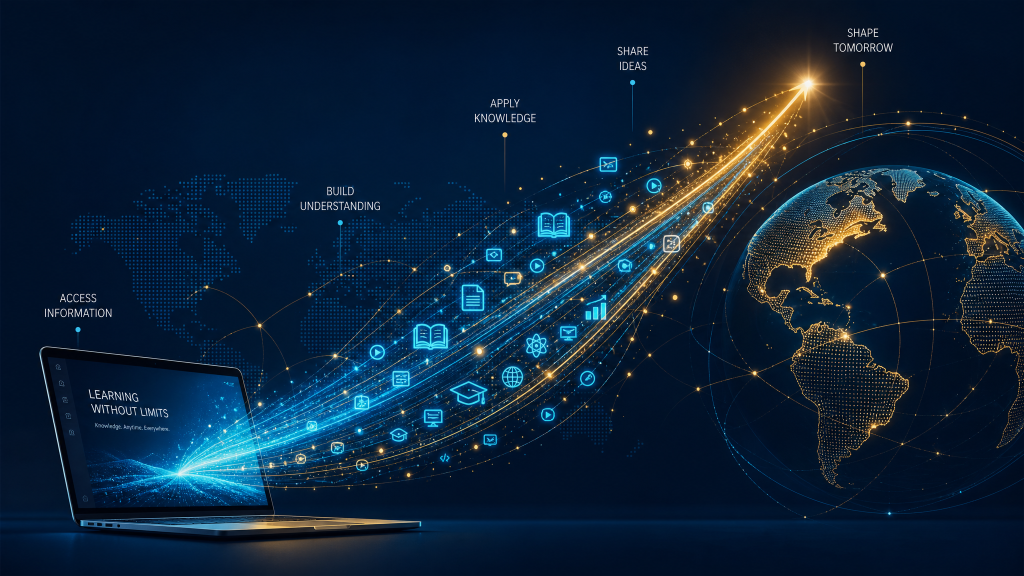
Before the internet, quality education required proximity to elite institutions. Geography was destiny. Then came the market. Coursera, Udemy, Khan Academy, and MIT OpenCourseWare obliterated that barrier — 148 million learners, 150 million Khan Academy users, and 350 million MIT visits later, the evidence is in. A Harvard-quality education now costs $0. The online learning revolution is the most under-celebrated shift of the 21st century.
Read the story →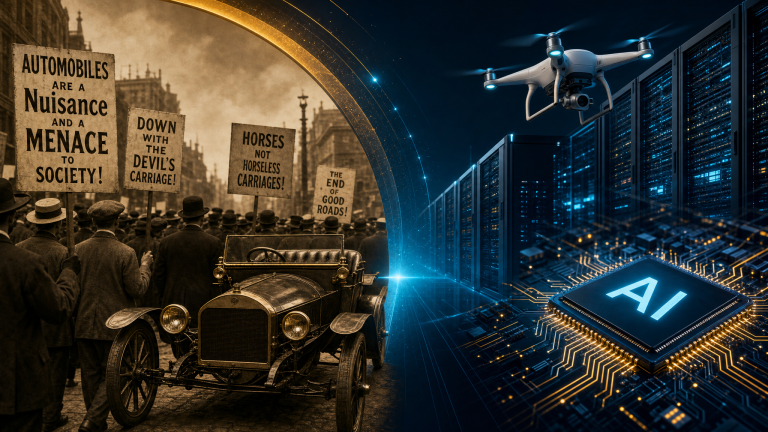
From red flag laws for cars to banning data centers in Missouri, the pattern is identical across two centuries: the public fears new technology, demands restrictions, and is later proven wrong. History has a name for the people who led those restrictions. It is not flattering.
Read the story →
In 1900, roughly 9,000 scientific papers were published globally. The number is not a typo. The entire world’s organized scientific output for a year — biology, chemistry, physics, medicine, mathematics, geology, astronomy — fit in a stack of journals small...
Read the story →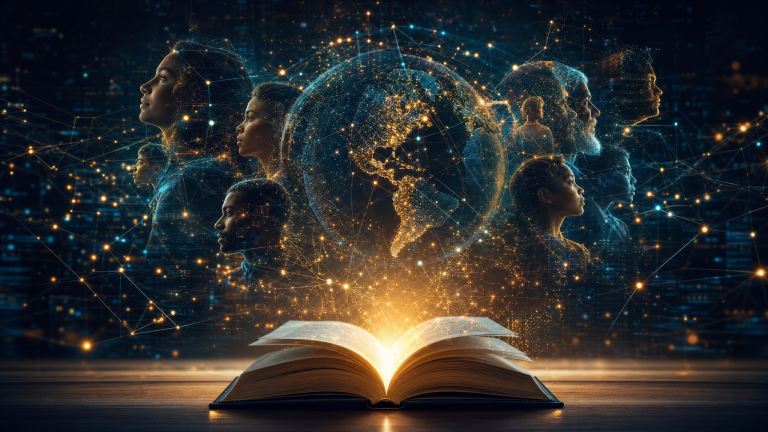
The global literacy rate has inverted in 200 years — from 12% to 87%. It is one of the most profound expansions of human capability in history. And it is still accelerating.
Read the story →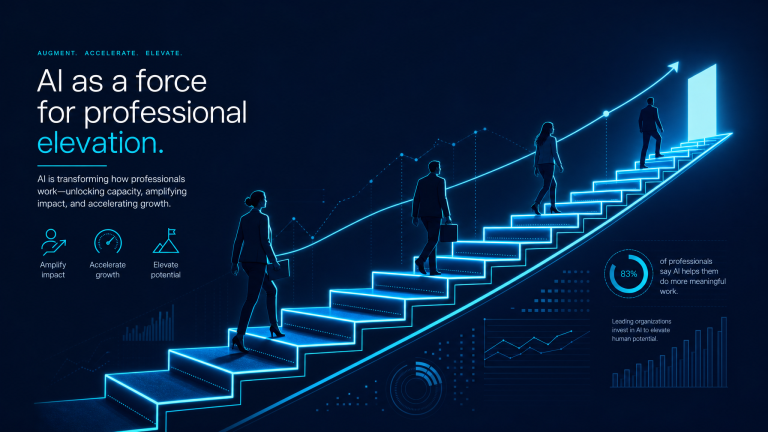
AI is reshaping professional work the way the internet reshaped retail. Here's which roles are exposed, which will multiply, and what smart executives do now.
Read the story →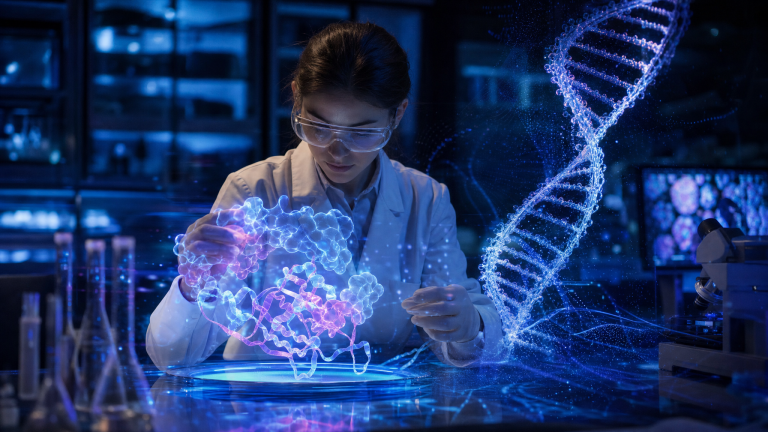
In 2020, DeepMind predicted the structure of nearly every protein known to science. Researchers called it the biggest biological breakthrough in decades. It was also a preview of what AI does to every hard problem it touches.
Read the story →